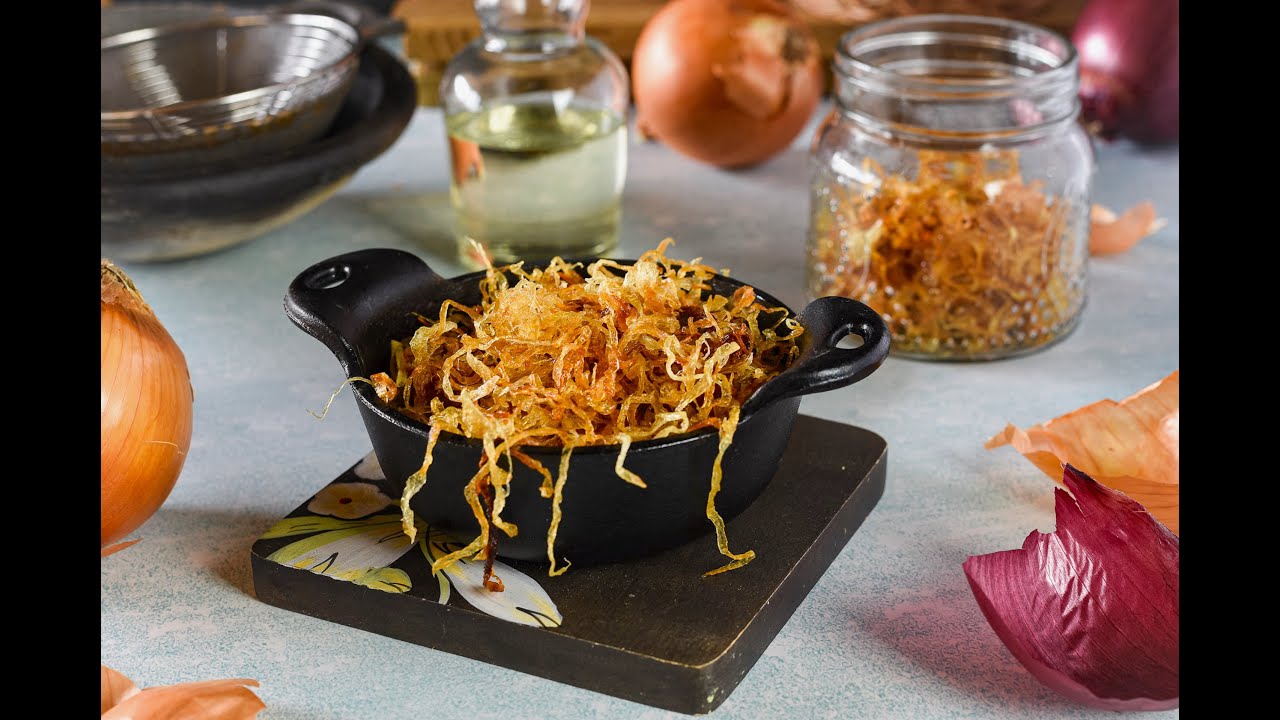
Hands-Free Fried Onions: Unleash Flavor with Your Rice Cooker
Imagine perfectly golden-brown, sweet, and savory fried onions, ready to elevate your favorite dishes, all without the constant stirring and splattering of a traditional frying pan. Sound like a dream? It's not! We're about to unveil a revolutionary, hands-free method for how to make fried onions using an unexpected kitchen hero: your multi-purpose rice cooker. Forget babysitting the stove; this "set it and forget it" technique delivers consistently delicious results, freeing you up to tackle other tasks while your onions transform into flavor bombs.
Fried onions are far more than just a garnish; they are a foundational ingredient that adds depth, sweetness, and umami to an incredible array of cuisines. From the aromatic base of a hearty stir-fry or a rich pasta sauce to the crunchy topping for burgers, salads, or even a comforting bowl of soup, their versatility is unmatched. They are also a non-negotiable component in many traditional dishes, especially in Mughlai cuisine, where their rich flavor profile forms the backbone of luxurious biryanis and creamy curries. Traditionally, achieving that perfect fried onion texture requires patience and continuous attention over a hot stove. However, with the innovative rice cooker method, you can unlock this culinary secret with unprecedented ease.
Why the Rice Cooker is Your Secret Weapon for Fried Onions
You might be wondering, "Why on earth would I use a rice cooker for frying onions when I have a perfectly good frying pan?" The answer lies in one distinct and incredibly liberating advantage: **automation and burn prevention.**
- Unparalleled Convenience: This is the ultimate "set it and forget it" cooking method for onions. Unlike a stovetop, which demands your constant presence to stir and monitor, the rice cooker allows you to simply add your ingredients, press a button, and walk away. You can prepare other components of your meal, enjoy a coffee, or simply relax, knowing your onions are frying safely.
- No More Burnt Onions: One of the biggest frustrations of frying onions manually is the delicate balance between perfectly golden and quickly burnt. The precise temperature control of a good quality fuzzy logic rice cooker, particularly when utilizing its "Bake" function, provides a much more forgiving environment. It cooks the onions gently but effectively, preventing the hot spots and rapid scorching common on a stovetop. This means a lower risk of waste and consistent, delicious results every time. For more on this innovative approach, see Fry Onions Without Burning: The Rice Cooker's 'Bake' Secret.
- Free Up Stove Space: If you're preparing a multi-component meal, using the rice cooker for your onions frees up a valuable burner on your stovetop for other dishes. This is a game-changer for efficiency, especially in smaller kitchens or during large meal preps.
- Consistent Results: The controlled heat and timing of the rice cooker's "Bake" setting help ensure an even cook and consistent browning across your batch of onions, something that can be challenging to achieve manually.
It's important to note that this method requires a specific type of rice cooker: a multi-purpose fuzzy logic model that includes a "Bake" or "Cake" function. Standard, basic rice cookers designed only for cooking rice typically won't have the necessary heating elements or temperature control for effective frying.
Prepping Your Onions for Rice Cooker Perfection
The success of your hands-free fried onions begins with proper preparation. While the rice cooker does most of the heavy lifting, a little initial effort ensures uniform cooking and optimal flavor.
Choosing the Right Onions
For most fried onion applications, common yellow onions are your best bet. They offer a good balance of sweetness and pungency that mellows beautifully when fried. Sweet onions (like Vidalia or Walla Walla) can also be used for an even milder, sweeter result, while red onions, though beautiful, tend to lose some of their vibrant color when cooked extensively. Whichever you choose, select firm, unblemished onions.
The Art of Chopping
Uniformity is key here. Peel your onions and chop them into small, even pieces. Aim for a dice that's roughly 1/4 to 1/2 inch. Why is this important? Evenly sized pieces will cook at the same rate, preventing some from burning while others remain undercooked. If your pieces are too large, they may take longer to soften and fry. If they are too small, they might crisp up too quickly and potentially burn.
The Oil Ratio
For every large onion you use (roughly 8-10 ounces or 225-280 grams), you'll need approximately 1 tablespoon of cooking oil. This ratio provides enough oil to coat the onions and facilitate frying without making them excessively greasy. Opt for a neutral-flavored oil with a high smoke point, such as canola, vegetable, grapeseed, or sunflower oil. Avoid olive oil, as its lower smoke point can lead to burnt flavors at the temperatures needed for frying.
The Rice Cooker Magic: Step-by-Step Frying
Now, let's get to the heart of the hands-free method. Gather your prepared onions, oil, and your multi-purpose fuzzy logic rice cooker with a "Bake" function.
- Prepare Your Rice Cooker Bowl: Ensure the inner pot of your rice cooker is clean and dry.
- Add Oil: Pour the recommended amount of oil (1 tablespoon per large onion) directly into the rice cooker bowl.
- Introduce the Onions: Add your chopped onions to the bowl. Spread them out evenly across the bottom of the pot. Avoid overcrowding the pot, as this can lead to steaming rather than frying. If you're making a large batch, you might need to fry them in two smaller batches.
- The Critical "Open Lid" Rule: This is perhaps the most counter-intuitive, yet crucial, step. Leave the lid of your rice cooker **completely open** throughout the entire cooking process. Closing the lid will trap steam, causing the onions to steam and soften rather than fry and brown. We want that beautiful caramelization, not a soggy mess!
- Set the "Bake" Function: Select the "Bake" or "Cake" function on your rice cooker's menu. This setting typically provides a consistent, higher heat suitable for browning.
- Set the Timer: Set the timer for 30 minutes. This is a good starting point for achieving perfectly golden-brown fried onions. Depending on your rice cooker model and desired crispness, you might adjust this slightly in future attempts.
- Press "Start" and Walk Away: Initiate the cooking process. Double-check that the lid remains open. Now, you're free! Go about your other kitchen tasks or take a break.
- Optional Stirring (Halfway): While not strictly necessary for success, if you desire very uniform browning, you can give the onions a quick stir halfway through the cooking time (around the 15-minute mark). This helps redistribute the onions and ensures even exposure to the heat. However, if you skip this step, they'll still be wonderfully fried, perhaps with a few darker spots, which can add to their rustic charm.
- Ready When the Beep Sounds: Once the timer beeps, your fried onions are ready! They should be beautifully golden brown, fragrant, and slightly softened with crispy edges.
- Keep Warm Feature: A fantastic benefit of the rice cooker is its automatic "Keep Warm" function. If you're not ready to use your fried onions immediately, the rice cooker will typically switch to this setting, keeping them warm and ready until you need them, without overcooking.
Beyond Basic Fried Onions: Tips & Variations
Once you master how to make fried onions in your rice cooker, a world of culinary possibilities opens up. Here are some ways to enhance your fried onion game:
- Seasoning: For basic fried onions, adding salt at the very end (or just before serving) is usually best. Salt can draw out moisture, which in other frying methods might be desired (like the traditional deep-fried method where onions are salted and squeezed), but for this rice cooker method, it's generally best to let the onions fry first to achieve that nice browning. A pinch of black pepper or a tiny dash of garlic powder can also be added for extra flavor.
- Spice it Up: For specific cuisines, consider adding a pinch of turmeric powder, cumin, or even a tiny bit of red chili powder during the last 5-10 minutes of cooking. This infuses the onions with a wonderful aromatic kick, perfect for curries or lentil dishes.
- Achieving Extra Crispness: If you desire a crispier texture, you can try blotting your chopped onions with a paper towel before adding them to the oil. This removes excess surface moisture. Also, extending the "Bake" time by an additional 5-10 minutes (monitoring closely) can yield crispier results.
- Storage: Fried onions can be made in advance! Once cooled completely, store them in an airtight container in the refrigerator for up to 3-4 days. For longer storage, you can freeze them in a freezer-safe bag or container for up to 2-3 months. They thaw quickly and can be gently reheated in a pan or microwave.
- Serving Suggestions: Beyond the obvious, try them as a topping for scrambled eggs, mixed into cream cheese for a savory spread, folded into mashed potatoes, or even as a unique pizza topping. Their versatility truly knows no bounds. If you're keen on incorporating them into more intricate dishes, especially Mughlai ones, you'll find great inspiration in Master Golden Fried Onions: Essential for Biryani & Curries.
Troubleshooting and FAQs
Even with a hands-free method, a few questions might pop up:
My onions aren't browning enough. What went wrong?
The most common culprit is a closed lid. Ensure the lid stays completely open throughout the process. Also, verify your rice cooker has a "Bake" or "Cake" function and that you've selected it. Basic "cook rice" functions won't get hot enough. Finally, make sure you haven't overcrowded the pot; steam will inhibit browning.
My onions are getting too dark/burning.
While the rice cooker is designed to prevent burning, some models might run a bit hotter, or your onions might be chopped too finely. Try reducing the cooking time by 5 minutes initially, or stir them more frequently (e.g., every 10 minutes). Ensure you're using the correct oil ratio; too little oil can also lead to scorching.
Can I use any rice cooker?
No. As reiterated, you absolutely need a multi-purpose fuzzy logic rice cooker with a dedicated "Bake" or "Cake" function. Simple on/off rice cookers will not work, as they lack the necessary temperature control for frying.
Can I double the recipe?
You can, but it's often better to fry in two smaller batches if doubling a large quantity of onions. Overfilling the rice cooker will lead to steaming rather than frying, resulting in soft, rather than golden and slightly crispy, onions.
Conclusion
The rice cooker method for making fried onions is a true game-changer for anyone who loves the deep, savory flavor they bring to dishes but dislikes the fuss of stovetop frying. By leveraging the specific "Bake" function and remembering the critical "open lid" rule, you can achieve consistently delicious, perfectly golden fried onions with minimal effort. This hands-free technique not only saves you time and prevents burnt onions but also opens up a world of culinary possibilities, making gourmet flavors more accessible than ever. So, dust off that multi-purpose rice cooker, grab an onion, and get ready to transform your cooking routine!
